
Histamine & Immune Intelligence
A comprehensive guide to histamine intolerance, mast cell activation, and immune modulation — written by practitioners with 18+ years of clinical experience. Start here, then follow the reading guide below.
Written by Nathalie Babazadeh, L.Ac. & Kacey Moe, MS · Last reviewed: March 2026


Histamine intolerance occurs when your body accumulates more histamine than it can clear — through DAO enzyme insufficiency, mast cell over-activation, gut barrier disruption, or methylation bottlenecks. Symptoms range from headaches and flushing to digestive issues and brain fog, and often worsen with high-histamine foods, alcohol, or during spring pollen season. This practitioner's guide covers the mechanisms, root causes, and evidence-based protocols across 21 articles.
Histamine is one of the most misunderstood molecules in your body.
It's not the enemy — it's a signaling molecule your immune system relies on every day. Histamine triggers stomach acid for digestion, keeps you alert and focused, and coordinates your immune response to genuine threats. The problem starts when the system loses its calibration.
Histamine intolerance is what happens when your body produces or absorbs more histamine than it can clear. The causes are rarely simple. DAO enzyme insufficiency, gut barrier disruption, mast cell over-activation, liver congestion, hormonal shifts, and methylation bottlenecks can all contribute — often at the same time. This is why single-target approaches (just take an antihistamine, just avoid high-histamine foods) rarely resolve the full picture.
Three pathways
In clinical practice, the practitioners who get lasting results tend to work across three pathways simultaneously:
-
01
Mast cell stabilization
Mast cells are the immune sentinels that release histamine. When they become hyper-reactive — from stress, infections, environmental toxins, or gut permeability — they release histamine at thresholds far below what should trigger a response. Stabilizing mast cells means raising that threshold back to normal.
Mast Cell Activation: What Your Immune System Is Actually Doing
-
02
Clearance support
Your body clears histamine through two primary enzymes: DAO (diamine oxidase) in the gut and HNMT in the liver. If either pathway is compromised — from nutrient deficiencies, gut inflammation, or liver congestion — histamine accumulates faster than you can break it down.
-
03
Root cause resolution
The gut lining, the liver, the methylation cycle, hormonal balance — these are the systems underneath the histamine response. Addressing them is what separates a temporary fix from lasting change.
Your Reading Guide
The articles below walk through each of these pathways in depth. We've organized them in a recommended reading order — from foundational concepts through specific mechanisms to practical protocols. Start with whatever matches your current question, or read them in sequence for the full picture.
Foundations
Start here. What histamine intolerance actually is, how the immune system drives it, and the mental model that makes it all click.

- 01 What Is Histamine Intolerance? A Practitioner's Guide to Symptoms, Root Causes, and Natural SupportNathalie Babazadeh, L.Ac. · 10 min
- 02 Mast Cell Activation: What Your Immune System Is Actually DoingArtemis Therapeutics · 11 min
- 03 The Histamine Bucket: Why Some People Overflow in MarchArtemis Therapeutics · 5 min
Mechanisms & Triggers
The specific pathways and triggers that determine your histamine load — from enzymes to diet to seasons.

- 04 The DAO Enzyme: Why Some People Can't Break Down HistamineArtemis Therapeutics · 7 min
- 05 Histamine and Gut Health: The Connection Most People MissNathalie Babazadeh, L.Ac. · 9 min
- 06 Why Stress Makes Histamine Worse (And How to Stop It in 5 Minutes)Nathalie Babazadeh, L.Ac. · 3 min
- 07 Why That Glass of Wine Gives You a Stuffy Nose (And What Your Body Is Actually Telling You)Nathalie Babazadeh, L.Ac. · 6 min
- 08 Why Your Histamine Response Spikes Every SpringArtemis Therapeutics · 4 min
- 09 Why Allergy Seasons Are Getting Longer — And What's Happening in Your BodyKacey Moe, MS · 7 min
Practical Approaches
Diet, herbs, and evidence-based strategies for managing histamine.

- 10 Low-Histamine Diet: A Practitioner's Starting Guide (2026)Nathalie Babazadeh, L.Ac. · 9 min
- 11 Antihistamine Herbs: 5 Practitioner-Tested Options (Research-Backed)Artemis Therapeutics · 9 min
- 12 Natural Antihistamines: How They Work and Why Timing Changes EverythingNathalie Babazadeh, L.Ac. · 9 min
Ingredient Deep-Dives
The specific compounds practitioners reach for — mechanisms, research, and how they work together.

- 13 What Are the Benefits of Taking Quercetin?Kacey Moe, MS · 5 min
- 14 Quercetin and Bromelain Together: Why This Combination WorksNathalie Babazadeh, L.Ac. · 8 min
- 15 Quercetin vs. Resveratrol: Which Flavonoid Should You Take?Artemis Therapeutics · 8 min
- 16 Quercetin vs. Cromolyn for Mast Cell Support: What the Research ShowsKacey Moe, MS · 5 min
- 17 What Is NAC? The Overlooked Compound Behind Cellular DefenseKacey Moe, MS · 8 min
- 18 NAC vs. Glutathione Supplements: Which Is Better?Kacey Moe, MS · 10 min
- 19 Stinging Nettle for Allergies and Beyond: What the Research SaysNathalie Babazadeh, L.Ac. · 7 min
- 20 Bromelain: The Inflammation-Clearing Enzyme You're Probably MissingArtemis Therapeutics · 7 min
The Complete Protocol
Putting it all together — the full practitioner supplement stack.

- 2009Lucidia formulated by Nathalie and Kacey
- 18+years of Nathalie's practice
- 4.3★out of 5 stars, from 238 Lucidia reviews
- 5ingredients, no fillers

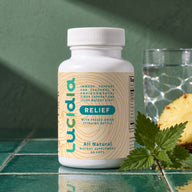
Lucidia
Daily histamine support, formulated by Nathalie and Kacey in their practice in 2009. Quercetin for cellular defense, NAC for glutathione production, reishi for immune modulation, bromelain for lymphatic clearance, organic stinging nettle for histamine pathway balance. Same five since.
$29.99Free shipping · 60 capsules · How to take Lucidia
Frequently Asked Questions
What is histamine intolerance?
Histamine intolerance occurs when your body accumulates more histamine than it can break down. Unlike a true allergy (which involves IgE antibodies), histamine intolerance reflects an imbalance between histamine load and clearance capacity — driven by DAO enzyme insufficiency, gut permeability, liver congestion, or mast cell over-activation.
What are the most common symptoms of histamine intolerance?
Symptoms vary widely because histamine receptors exist throughout the body. Common signs include headaches, nasal congestion, skin flushing, digestive issues (bloating, cramping, diarrhea), rapid heart rate, anxiety, and difficulty sleeping. Many people experience symptoms after eating high-histamine foods or drinking alcohol.
Can you develop histamine intolerance later in life?
Yes. Histamine intolerance often develops in adulthood, particularly after gut infections, prolonged antibiotic use, hormonal changes (perimenopause is a common trigger), or periods of high stress. The underlying systems — DAO production, gut barrier integrity, liver function — can shift over time.
What foods are highest in histamine?
Fermented foods (aged cheese, sauerkraut, kombucha, wine), cured and smoked meats, aged fish, vinegar, and leftover protein are the primary sources. Freshness matters more than the food itself — histamine increases as food ages.
How long does it take to see improvement?
Dietary changes can reduce symptoms within days to weeks. Supporting DAO and mast cell stabilization typically takes 4-8 weeks of consistent supplementation. Root cause work — healing the gut, supporting methylation, optimizing liver function — is a longer process measured in months.
These statements have not been evaluated by the Food and Drug Administration. These products are not intended to diagnose, treat, cure, or prevent any disease. This guide is educational and should not replace advice from your healthcare provider.