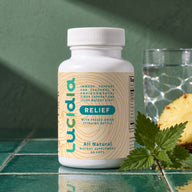

What Is Histamine Intolerance? A Practitioner's Guide to Symptoms, Root Causes, and Natural Support

Quick answer
Histamine intolerance develops when your body accumulates more histamine than it can break down, usually due to reduced DAO enzyme activity, gut dysbiosis, or liver congestion. It is not a true allergy but a metabolic imbalance that produces wide-ranging symptoms across multiple body systems.

In This Article
In 18 years of clinical practice, I have seen hundreds of patients who came in with a collection of symptoms that no one could explain. Headaches that appeared after meals. Skin that flushed for no obvious reason. Digestive trouble that came and went without a clear pattern. Congestion that had nothing to do with a cold.
Many of them had already seen multiple doctors. They had been told their labs were normal. Some had been prescribed antihistamines, which helped a little but never resolved the underlying problem. A few had been told it was stress or anxiety.
What most of them actually had was histamine intolerance, a condition where the body accumulates more histamine than it can break down. It is not rare. It is rarely recognized.
How Histamine Actually Works in Your Body
Histamine is not the enemy. This is the first thing I tell every patient who comes in convinced they need to eliminate histamine entirely.
Histamine is a signaling molecule that your body uses for essential functions. It regulates stomach acid production for digestion. It helps your brain stay alert and focused through its role as a neurotransmitter. It modulates your sleep-wake cycle. It directs blood flow to tissues that need repair. It orchestrates immune responses to genuine threats (Maintz & Novak, 2007).
Your body produces histamine continuously and also absorbs it from food. Under normal circumstances, two enzyme systems keep histamine levels in check:
- DAO (diamine oxidase) breaks down histamine in the gut before it enters the bloodstream. This is your first line of defense against dietary histamine.
- HNMT (histamine N-methyltransferase) metabolizes histamine inside cells, particularly in the brain, liver, and kidneys.
How the histamine bucket overflows
Histamine inputs
Food, mast cells, gut bacteria, hormones
Histamine pool
Total histamine load in the body
DAO + HNMT
Gut clearance (DAO) and cellular clearance (HNMT)
When drainage < input
Breakdown enzymes cannot keep up with histamine load
Bucket overflow
Symptoms appear: headaches, flushing, congestion, digestive issues
Histamine intolerance develops when these breakdown systems fall behind. Histamine accumulates. The bucket overflows.
The Bucket Analogy: Why Symptoms Seem Random
I use the bucket metaphor with nearly every patient because it explains why histamine intolerance is so confusing to diagnose.
Think of your body as having a histamine bucket. Histamine flows in from multiple sources: the food you eat, the bacteria in your gut, the mast cells in your tissues, your own nervous system activity. DAO and HNMT are the drains at the bottom of the bucket.
When the drains work well, the bucket never overflows. You eat aged cheese, drink a glass of wine, encounter some pollen — the histamine comes in, gets processed, and leaves.
When the drains are partially blocked (reduced DAO activity, gut problems, nutrient deficiencies, liver congestion), the bucket fills higher. You might be fine most days, but then one extra trigger tips you over. Maybe it was the leftover salmon you had for lunch plus the kombucha plus a stressful meeting. Each one alone would have been fine. Together, they overflow the bucket.
This explains why patients tell me "sometimes I can eat tomatoes and I'm fine, but other times they destroy me." It is not the tomatoes. It is the total histamine load at that moment.
Symptoms: The Full Picture
Histamine receptors exist in nearly every tissue in the body. This is why histamine intolerance can produce such a wide range of symptoms that seem unrelated. One day it is a headache. The next day it is digestive. The next day the skin.
| System | Common Symptoms |
|---|---|
| Neurological | Headaches and migraines, brain fog, dizziness or vertigo, anxiety or panic-like episodes, insomnia |
| Digestive | Bloating, gas, abdominal cramping, diarrhea, nausea, acid reflux (histamine stimulates stomach acid via H2 receptors) |
| Cardiovascular | Rapid heart rate or palpitations, blood pressure fluctuations, flushing in face and chest |
| Skin | Hives or urticaria, eczema flares, itching without visible rash, redness |
| Respiratory | Nasal congestion or runny nose, difficulty breathing, chest tightness |
| Hormonal | Worsening symptoms before menstruation (estrogen stimulates mast cells and inhibits DAO), painful periods, PMS-like symptoms that correlate with histamine-rich meals |
A 2007 review in The American Journal of Clinical Nutrition estimated histamine intolerance affects approximately 1% of the population, with over 80% of affected individuals being middle-aged women (Maintz & Novak, 2007). In clinical practice, I believe the actual number is much higher. Many people have subclinical histamine intolerance that has never been identified.
~1%
Estimated population affected by histamine intolerance, with over 80% being middle-aged women (Maintz & Novak, 2007). The actual number may be much higher.
Root Causes: What Drives Histamine Intolerance
Histamine intolerance is not a single disease. It is the downstream result of one or more upstream problems. Here is what I look for in practice.
Reduced DAO Enzyme Activity
DAO is your gut's primary defense against dietary histamine. When DAO is low, histamine from food enters the bloodstream instead of being neutralized in the intestinal lining.
DAO can be reduced by genetic polymorphisms in the AOC1 gene (which encodes DAO), inflammatory bowel conditions that damage the intestinal lining where DAO is produced, certain medications (NSAIDs, some antidepressants, antibiotics, and H2 blockers), alcohol (which both delivers histamine and inhibits DAO), and deficiencies in cofactors that DAO requires to function: vitamin B6, copper, and vitamin C (Comas-Basté et al., 2020).
One irony worth noting: some acid reflux medications (H2 blockers) reduce the very enzyme that breaks down histamine.
I have written about why wine triggers histamine responses. Alcohol is a triple hit: it contains histamine, triggers mast cells to release more, and suppresses the DAO enzyme that would clear it.
Gut Dysbiosis
Certain gut bacteria produce histamine as a metabolic byproduct. Species like Morganella morganii, Klebsiella pneumoniae, and Enterobacteriaceae generate substantial histamine in the gut. When these populations expand due to dysbiosis, SIBO, or antibiotic use, they add a continuous internal source of histamine that has nothing to do with what you eat (Sánchez-Pérez et al., 2022).
Meanwhile, beneficial species like Bifidobacterium infantis and certain Lactobacillus strains actually degrade histamine. A disrupted microbiome can simultaneously produce more histamine and degrade less of it.
Mast Cell Dysfunction
Mast cells are immune cells that store histamine in granules and release it when triggered. In some individuals, mast cells become hyperreactive, releasing histamine in response to triggers that should not provoke much of a response. This is separate from histamine intolerance but often overlaps with it.
When mast cells are overly reactive, they contribute a continuous internal source of histamine that overwhelms DAO capacity even when dietary histamine intake is low. Quercetin is one of the better-studied natural mast cell stabilizers. In a 2012 study, it outperformed cromolyn sodium at preventing mast cell degranulation (Weng et al., 2012). This is one reason quercetin appears in practitioner protocols for histamine-related conditions.
Liver Congestion
The liver clears histamine from the blood through HNMT and other methylation-dependent pathways. When liver capacity is reduced (alcohol, environmental toxins, medication load, low glutathione), histamine clearance slows.
I always come back to the metaphor I have used for years: the liver must clean all the blood as its regular job. When it is overburdened, it is like trying to wash dishes in dirty water. Histamine is one of the things that does not get cleaned up.
NAC (N-Acetyl Cysteine) supports this pathway by providing the raw material for glutathione, the molecule the liver depends on for phase II detoxification.
Nutrient Deficiencies
Several micronutrients are directly involved in histamine metabolism:
- Vitamin B6 is a required cofactor for DAO enzyme function
- Copper is also required for DAO activity
- Vitamin C acts as a cofactor for DAO and helps degrade histamine directly (Johnston et al., 1996)
- Magnesium modulates mast cell activity and stabilizes cell membranes
- Methylation nutrients (B12, folate, B6) support HNMT-dependent histamine breakdown in cells
These deficiencies are often where I start in practice. They are low-risk to correct, easy to test for, and I frequently see noticeable improvement within weeks.
Hormonal Factors
Estrogen and histamine feed each other. Estrogen stimulates mast cells to release histamine, and histamine stimulates the ovaries to produce more estrogen (Zierau et al., 2012). This feedback loop explains why many women experience histamine symptoms that track with their menstrual cycle, particularly in the days before menstruation when estrogen peaks.
It also explains why histamine intolerance often appears or worsens during perimenopause, when estrogen levels fluctuate dramatically.
Testing and Assessment
There is no single lab test that definitively diagnoses histamine intolerance. This is one reason it is so often missed in conventional medicine. Here is how I approach assessment in practice.
Elimination Diet
The most reliable diagnostic tool remains a 2-4 week low-histamine elimination diet followed by systematic reintroduction. If symptoms improve on the elimination phase and return with reintroduction of high-histamine foods, that is strong clinical evidence.
Laboratory Testing
| Test | What It Shows | Limitations |
|---|---|---|
| Serum DAO levels | Whether DAO activity is low | Fluctuates throughout the day; single measurement is a snapshot |
| Whole blood histamine | Whether histamine is elevated systemically | Requires careful sample handling |
| AOC1 genetic testing | Genetic predisposition to low DAO | Does not measure current enzyme activity |
| Comprehensive stool analysis | Histamine-producing bacteria in the gut | Not all labs test for histamine-producing species |
| Methylation panel (homocysteine, B12, folate) | Whether the HNMT pathway has adequate support | Indirect marker of histamine clearance capacity |
Symptom Tracking
I ask patients to keep a detailed food and symptom diary for at least two weeks before their first follow-up. Patterns often become visible quickly: symptoms appearing 30-60 minutes after high-histamine meals, worsening with alcohol, fluctuating with the menstrual cycle.
Natural Support Strategies
Dietary Modifications
A low-histamine diet is typically the first intervention. This is not meant to be permanent. It is a diagnostic and therapeutic tool that reduces the total histamine load while you address root causes.
Foods to reduce or temporarily avoid:
- Aged cheeses (parmesan, gouda, cheddar)
- Fermented foods (sauerkraut, kimchi, miso, kombucha)
- Cured and smoked meats (salami, bacon, smoked salmon)
- Alcohol, especially red wine and beer
- Vinegar and vinegar-containing condiments
- Canned or leftover fish
- Tomatoes, spinach, eggplant, avocado
- Citrus fruits, strawberries (histamine liberators)
- Leftovers stored more than 24 hours (bacterial histamine increases with time)
Foods generally well-tolerated:
- Freshly cooked meat and poultry
- Fresh-caught fish (eaten the same day, not stored)
- Most vegetables (except those listed above)
- Rice, quinoa, gluten-free grains
- Fresh fruits (except citrus and strawberries)
- Olive oil, coconut oil
- Fresh herbs
The key principle is freshness. Histamine accumulates in food over time as bacteria convert the amino acid histidine into histamine. Cooking and eating food immediately keeps histamine levels lower than storing leftovers.
Targeted Nutritional Support
DAO cofactors: Vitamin B6 (as P5P, the active form), copper, and vitamin C all support DAO enzyme function. These are often the first supplements I introduce. They are safe, affordable, and they address one of the most common bottlenecks I see.
Quercetin stabilizes mast cells and reduces inappropriate histamine release at the source, rather than blocking receptors after histamine has already been released (Weng et al., 2012). Read about quercetin's full mechanism.
NAC provides the glutathione precursor that the liver uses for histamine clearance through the HNMT pathway. It also reduces oxidative stress in the gut lining, which supports DAO-producing cells. Read more about NAC and glutathione.
Bromelain is a proteolytic enzyme that helps resolve tissue inflammation and improves quercetin absorption. Practitioners pair them together because quercetin on its own has poor bioavailability, and bromelain fixes that problem.
Gut Health
For long-term resolution, the gut-histamine connection usually needs attention. This may include specific probiotic strains that degrade rather than produce histamine (Bifidobacterium infantis, Lactobacillus rhamnosus), antimicrobial protocols for SIBO or dysbiosis, and gut lining repair to restore the intestinal surface where DAO is produced.
Stress and Nervous System Regulation
Cortisol and the stress response directly influence mast cell behavior. Chronic stress primes mast cells for easier activation. Nervous system work — breathwork, somatic practices, adaptogenic herbs like reishi mushroom — is not a nice-to-have. For many of my patients, it has been the missing piece.
Key takeaway
Histamine intolerance is not a single disease. It is the downstream result of one or more upstream problems: reduced DAO, gut dysbiosis, mast cell dysfunction, liver congestion, or nutrient deficiency. Effective treatment addresses the root cause, not just the histamine level.
When to Seek Professional Guidance
Histamine intolerance exists on a spectrum. Some people find real relief through dietary changes alone. Others have overlapping factors (mast cell activation, methylation issues, gut infections, hormonal dysregulation) that require professional guidance.
If your symptoms are severe, worsening, or you suspect mast cell activation syndrome, work with a practitioner experienced in these conditions. A licensed acupuncturist, naturopathic physician, or functional medicine practitioner can order appropriate testing and guide you through a systematic protocol.
Supporting Histamine Balance Daily
When Kacey and I formulated Lucidia in 2009, we were thinking about exactly this problem: the body's histamine response overwhelms its capacity to clear histamine. Each of Lucidia's five ingredients targets a different part of that system.
Quercetin stabilizes mast cells. NAC feeds glutathione for liver clearance. Reishi modulates immune reactivity. Bromelain clears tissue inflammation and enhances absorption. Stinging nettles support histamine pathway modulation at the cellular level.
Same five ingredients since 2009. Shop Lucidia.
These statements have not been evaluated by the Food and Drug Administration. This product is not intended to diagnose, treat, cure, or prevent any disease.
References
- Maintz, L., & Novak, N. (2007). Histamine and histamine intolerance. The American Journal of Clinical Nutrition, 85(5), 1185-1196.
- Comas-Basté, O., Sánchez-Pérez, S., Veciana-Nogués, M. T., Latorre-Moratalla, M. L., & Vidal-Carou, M. C. (2020). Histamine intolerance: The current state of the art. Biomolecules, 10(8), 1181.
- Weng, Z., Zhang, B., Asadi, S., Sismanopoulos, N., Butcher, A., Fu, X., Katsarou-Katsari, A., Antoniou, C., & Theoharides, T. C. (2012). Quercetin is more effective than cromolyn in blocking human mast cell cytokine release. PLoS ONE, 7(3), e33805.
- Sánchez-Pérez, S., Comas-Basté, O., Veciana-Nogués, M. T., Latorre-Moratalla, M. L., & Vidal-Carou, M. C. (2022). Low-histamine diets: Is the exclusion of foods justified by their histamine content? Nutrients, 14(6), 1219.
- Johnston, C. S., Martin, L. J., & Cai, X. (1996). Antihistamine effect of supplemental ascorbic acid and neutrophil chemotaxis. Journal of the American College of Nutrition, 11(2), 172-176.
- Zierau, O., Zenclussen, A. C., & Jensen, F. (2012). Role of female sex hormones, estradiol and progesterone, in mast cell behavior. Frontiers in Immunology, 3, 169.
Nathalie Babazadeh, L.Ac
Co-Founder & Formulator
18+ years in acupuncture, TCM, and herbalism. Co-formulated Lucidia in 2009 from clinical practice. Co-founder of the REN School of Consciousness.
Continue reading
All histamine articles →-
 Start here
Histamine and immune intelligence: the guide
Every histamine article, in reading order. Nathalie Babazadeh, L.Ac. and Kacey Moe, MS -
 Histamine and mast cells
The DAO Enzyme: Why Some People Can't Break Down Histamine
Artemis Therapeutics · 7 min -
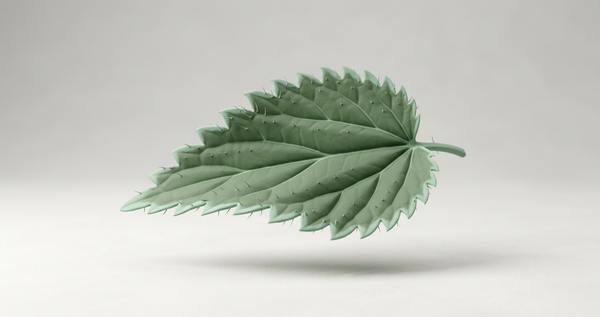 The five ingredients
Stinging Nettle for Allergies and Beyond: What the Research Says
Nathalie Babazadeh, L.Ac. · 7 min
Not sure where to start? Take the 3-minute quiz
Get new articles by email
New articles from Nathalie and Kacey. Unsubscribe anytime.

Lucidia
Daily histamine support, formulated by Nathalie and Kacey in their practice in 2009. Same five ingredients since.
★ 4.3 out of 5 stars from · 238 reviewsQuercetin, NAC, reishi, bromelain, nettle
$29.99Free shipping · 60 capsules
Subscribe and save 10%