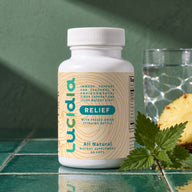

What Is NAC? The Overlooked Compound Behind Cellular Defense

Quick answer
NAC (N-Acetyl Cysteine) is a stable, bioavailable form of the amino acid cysteine — the rate-limiting precursor to glutathione, your body's master intracellular antioxidant. NAC supports liver detoxification, immune cell function, respiratory health, and balanced inflammatory response by keeping glutathione levels where your cells need them.

In This Article
Here's what's actually happening at the cellular level when your glutathione drops: your liver's detox capacity slows, your immune cells lose their ability to neutralize threats, and oxidative damage starts accumulating faster than your body can repair it.
Glutathione is the molecule that prevents all of that. And NAC is the most direct way to keep your body producing it.
N-Acetyl Cysteine is not new. It has a clinical history stretching back to the 1960s, when it was first approved as a mucolytic agent for respiratory conditions. By the mid-1970s, it became the standard hospital treatment for acetaminophen overdose — precisely because it rapidly replenishes the liver's glutathione stores when they are critically depleted (Prescott et al., 1977).
What the clinical world has known for decades, the supplement world is only beginning to appreciate: NAC is not just an emergency intervention. It is a daily foundation for cellular defense.
What NAC Actually Is
NAC is the N-acetyl form of L-cysteine, a semi-essential amino acid. The acetyl group is what makes the difference — it stabilizes the cysteine molecule so it survives digestion and crosses cell membranes efficiently. Free cysteine is fragile. It degrades in the stomach. NAC delivers cysteine to your cells intact.
Once inside the cell, NAC donates its cysteine to the glutathione synthesis pathway. Glutathione is a tripeptide assembled from three amino acids: cysteine, glycine, and glutamate. Your body typically has sufficient glycine and glutamate available. Cysteine is the bottleneck — the rate-limiting substrate.
The enzyme glutamate-cysteine ligase (GCL) catalyzes the first step of glutathione synthesis, combining cysteine with glutamate. This is the rate-limiting reaction. By providing cysteine, NAC directly feeds this step (Rushworth & Megson, 2014).
This is why practitioners call NAC a glutathione precursor rather than a glutathione supplement. You are not swallowing glutathione (which has poor oral bioavailability). You are giving your cells the building block they need to manufacture glutathione exactly where it is needed — inside the cell. For a detailed comparison of these two approaches, see our guide on NAC vs. glutathione supplements.
The Glutathione Connection
Glutathione does three things that are difficult to replace:
Antioxidant defense. It neutralizes reactive oxygen species and regenerates other antioxidants including vitamins C and E. It is the most abundant intracellular antioxidant in the human body (Forman et al., 2009).
Detoxification. Phase II liver detoxification depends on glutathione conjugation — attaching glutathione to toxins, drugs, heavy metals, and metabolic waste so they become water-soluble and can be excreted. Without adequate glutathione, toxins accumulate. This is why NAC has been the standard liver support intervention in clinical medicine for decades.
Immune cell function. Glutathione levels directly affect how well your lymphocytes, macrophages, and NK cells function. Depleted glutathione impairs immune cell proliferation, cytokine production, and the oxidative burst that immune cells use against pathogens (Dröge & Breitkreutz, 2000).
A 2021 review in Antioxidants confirmed that NAC's role as the rate-limiting glutathione precursor is well established across decades of research, with benefits spanning liver protection, immune support, and cellular defense (Tenório et al., 2021; PMC8234027).
NAC and Histamine Regulation
This is where NAC connects to the histamine system — not as a direct antihistamine, but as a supporter of the cellular environment where histamine processing happens.
Your body clears histamine through two main pathways. The extracellular pathway uses DAO enzyme in the gut lining. The intracellular pathway uses HNMT (histamine N-methyltransferase) in the liver and brain. The HNMT pathway depends on adequate methylation and adequate glutathione for the liver to process histamine-related metabolites.
When glutathione is depleted — from stress, environmental toxins, alcohol, poor sleep, or aging — this clearance pathway slows. Histamine accumulates not because your body is producing more, but because it is clearing less.
NAC supports this process by maintaining the glutathione reserves that histamine clearance depends on. It also reduces oxidative stress in tissues that produce and process histamine, helping maintain balanced immune cell behavior.
A nutraceutical review in Antioxidants (2021) examined NAC's role in broader immune and histamine regulation, noting its effects on glutathione-mediated redox balance in immune cells (PMC8558634). The picture is one of indirect support: NAC does not block histamine receptors or stabilize mast cells directly. It maintains the cellular infrastructure that keeps histamine metabolism running smoothly.
In practice, this is one reason I include NAC alongside more direct histamine-modulating compounds like quercetin and stinging nettle. Each works at a different point in the pathway. Quercetin stabilizes mast cells upstream. Nettle modulates histamine receptor response. NAC supports clearance through the glutathione-dependent HNMT pathway. That layered approach is exactly why all three are in Lucidia — they address the histamine system at multiple levels rather than hammering one pathway.
Immune Function and Inflammatory Balance
NAC helps regulate the inflammatory cascade through a mechanism the research has nailed down: it inhibits NF-κB, a transcription factor that drives production of pro-inflammatory cytokines including TNF-α, IL-6, and IL-1β.
A 2024 review in the Journal of Clinical Medicine confirmed that NAC's anti-inflammatory effects operate through NF-κB inhibition and are observed at standard supplemental doses with sustained use — these effects are not solely secondary to its antioxidant activity (PMID: 39064168).
The data backs this up across multiple trials. A 2020 systematic review of controlled clinical trials found NAC significantly reduced inflammatory and oxidative stress biomarkers across diverse populations (Tenório et al., 2020; PMID: 32726657), and a 2024 meta-analysis confirmed significant reductions in IL-6 specifically (PMID: 39632267).
This does not mean NAC suppresses the immune system. It helps calibrate the response — keeping inflammation proportional to the actual threat rather than spiraling into chronic overactivation.
In a randomized trial involving elderly individuals, De Flora et al. (1997) found that oral NAC (600 mg twice daily for six months) significantly reduced the frequency and severity of influenza-like episodes compared to placebo. The mechanism was not about killing pathogens directly — it was about keeping immune cells well-resourced enough to do their job (European Respiratory Journal, 10(7), 1535-1541).
A 2023 review of NAC's immunomodulatory properties confirmed its role in supporting balanced immune function through multiple pathways, including enhanced T-cell activity and reduced inflammatory signaling (PMID: 37891946).
Respiratory Health and Mucolytic Properties
NAC's original clinical application was respiratory. The mechanism is clean chemistry: NAC's free thiol (sulfhydryl) group breaks disulfide bonds between mucin glycoproteins — the large molecules (MUC5AC and MUC5B) that form the structural backbone of mucus. By breaking these bonds, NAC reduces mucus viscosity, making it easier to clear (Aldini et al., 2018).
This mucolytic action is why NAC was first approved as a pharmaceutical (under the brand name Mucomyst) in the 1960s for obstructive respiratory conditions. NAC acts as a reducing agent on the disulfide bonds that cross-link mucus polymers — one of the most well-established mechanisms in the supplement world.
As a supplement, NAC's respiratory support extends beyond mucus thinning. Its anti-inflammatory and antioxidant properties help protect respiratory epithelium from environmental pollutants and oxidative damage. A 2020 study in Antioxidants found that NAC protects the lungs and immune system from environmental toxins and oxidative pollutants (Zhou et al., 2020).
For people dealing with seasonal respiratory congestion or environmental irritant exposure, NAC's mucolytic and antioxidant properties provide a dual mechanism of support — reducing mucus viscosity while protecting the tissues that produce it.
Anti-Inflammatory Mechanisms
NAC's anti-inflammatory effects work through several pathways:
NF-κB inhibition. NAC blocks the nuclear translocation of NF-κB, preventing activation of pro-inflammatory gene expression. This reduces production of TNF-α, IL-6, and IL-1β — the cytokines that drive chronic inflammatory cascading.
Glutathione-mediated redox balance. By maintaining intracellular glutathione, NAC prevents the oxidative stress that triggers inflammatory signaling in the first place. Many inflammatory pathways are redox-sensitive — they activate when oxidative stress tips the balance.
Direct antioxidant activity. Independent of its role as a glutathione precursor, NAC has direct free radical scavenging capacity through its thiol group.
The research literature shows these effects are not theoretical — they are measurable in clinical settings. The meta-analytic data (PMID: 32726657) confirms significant reductions in inflammatory biomarkers across controlled trials. For anyone dealing with chronic low-grade inflammation — the kind driven by environmental stress, poor sleep, or metabolic dysfunction — NAC addresses the underlying oxidative environment rather than blocking a single pathway.
Dosage Considerations
A commonly studied supplemental dose is 600 mg daily. Most clinical trials have used 600 mg once or twice daily (600–1,200 mg total). The licensed clinical dose for chronic respiratory use is 600 mg per day (Cazzola et al., 2021; PMID: 33326056). Higher doses (up to 1,800 mg daily) have been used in research settings for specific conditions.
Practical guidance:
- Start at 600 mg daily and increase gradually if needed
- NAC is best absorbed on an empty stomach, away from meals
- Split higher doses into two servings (morning and evening)
- B6 (P5P), selenium, and zinc are cofactors that support the glutathione cycle NAC feeds into
- Adequate protein intake provides glycine and glutamate — the other two glutathione building blocks
Safety considerations: NAC is generally well-tolerated with a decades-long safety record. Mild GI discomfort is possible at higher doses. People taking anticoagulant medications should consult their provider, as NAC has mild anticoagulant and platelet-inhibiting properties (PMID: 16607076). The FDA confirmed in August 2022 that NAC supplements can remain on the market under enforcement discretion, resolving the 2020 regulatory question about NAC's supplement status.
Why NAC Is in Lucidia
In Lucidia's five-ingredient formula, NAC provides the glutathione foundation that the other four ingredients build on:
- Quercetin stabilizes mast cells upstream, reducing histamine release
- Stinging nettle modulates histamine receptor response downstream
- NAC supports histamine clearance through the glutathione-dependent HNMT pathway
- Reishi modulates overall immune balance
- Bromelain clears inflammatory debris and improves quercetin absorption
NAC's role is the infrastructure layer. The other ingredients modulate specific immune and histamine pathways. NAC ensures the cellular environment — glutathione status, redox balance, liver detox capacity — supports everything those ingredients are doing.
These statements have not been evaluated by the Food and Drug Administration. This product is not intended to diagnose, treat, cure, or prevent any disease.
References
- Aldini, G., et al. (2018). N-Acetylcysteine as an antioxidant and disulphide breaking agent: the reasons why. Free Radical Research, 52(7), 751-762.
- Cazzola, M., et al. (2021). Safety of high-dose NAC in chronic respiratory diseases. Drug Safety, 44(3), 273-290. PMID: 33326056.
- De Flora, S., Grassi, C., & Carati, L. (1997). Attenuation of influenza-like symptomatology and improvement of cell-mediated immunity with long-term N-acetylcysteine treatment. European Respiratory Journal, 10(7), 1535-1541.
- Dröge, W., & Breitkreutz, R. (2000). Glutathione and immune function. Proceedings of the Nutrition Society, 59(4), 595-600.
- Forman, H. J., Zhang, H., & Rinna, A. (2009). Glutathione: overview of its protective roles, measurement, and biosynthesis. Molecular Aspects of Medicine, 30(1-2), 1-12.
- Prescott, L. F., et al. (1977). Intravenous N-acetylcysteine: the treatment of choice for paracetamol poisoning. British Medical Journal, 2(6101), 1097-1100.
- Rushworth, G. F., & Megson, I. L. (2014). Existing and potential therapeutic uses for N-acetylcysteine. Clinical Pharmacokinetics, 53(3), 207-225.
- Tenório, M. C. D. S., et al. (2021). N-Acetylcysteine (NAC): Impacts on Human Health. Antioxidants, 10(6), 967. PMC8234027.
- Tenório, M. C. D. S., et al. (2020). Effects of N-acetylcysteine on inflammatory and oxidative stress biomarkers: A systematic review and meta-analysis. Pharmacological Research, 157, 104872. PMID: 32726657.
- Zhou, Y., et al. (2020). N-Acetylcysteine in environmental toxicology. Antioxidants, 9(12), 1187.
Co-Founder & Wellness Director
MS Holistic Nutrition, BS Kinesiology. Specializes in functional nutrition, somatic practice, and women’s health. Co-founder of the REN School of Consciousness.
Continue reading
All histamine articles →-
 Start here
Histamine and immune intelligence: the guide
Every histamine article, in reading order. Nathalie Babazadeh, L.Ac. and Kacey Moe, MS -
 Methylation and detox
10 Everyday Things That Drain Your Cellular Energy (and How to Get It Back)
Nathalie Babazadeh, L.Ac. · 5 min -
 Methylation and detox
Best Methylation Supplements: A Practitioner's Guide (2026)
Kacey Moe, MS · 7 min
Not sure where to start? Take the 3-minute quiz
Get new articles by email
New articles from Nathalie and Kacey. Unsubscribe anytime.

Lucidia
Daily histamine support, formulated by Nathalie and Kacey in their practice in 2009. Same five ingredients since.
★ 4.3 out of 5 stars from · 238 reviewsQuercetin, NAC, reishi, bromelain, nettle
$29.99Free shipping · 60 capsules
Subscribe and save 10%