
Mast Cell Activation: What Your Immune System Is Actually Doing
Quick answer
Mast cells are immune sentinels loaded with over 200 chemical mediators (histamine is just one). When they become chronically hyperreactive — activating in response to stress, foods, heat, chemicals, or hormones — the result is mast cell activation syndrome (MCAS), a multi-system inflammatory condition affecting skin, gut, brain, and cardiovascular function.

In This Article
Most people first encounter mast cells through allergies. You breathe in pollen, mast cells in your nasal passages degranulate, histamine floods the tissue, and you sneeze. That is the simplified version.
The full picture is more interesting and more consequential. Mast cells are positioned at every interface between your body and the outside world: skin, gut lining, respiratory tract, blood-brain barrier. They are loaded with over 200 different chemical mediators. Histamine is just one of them. When mast cells activate, they release a coordinated chemical response that recruits other immune cells, dilates blood vessels, increases tissue permeability, and initiates inflammation.
When that response is proportional to the threat, it is your immune system working exactly as designed. When that response becomes disproportionate, chronic, or triggered by stimuli that should not provoke it, the result is a condition that is only recently getting the clinical attention it deserves: mast cell activation syndrome (MCAS).
What Mast Cells Are and Where They Live
Mast cells originate from bone marrow precursors and mature in the tissues where they take up permanent residence. Unlike most immune cells that circulate in the blood, mast cells embed themselves in connective tissue, particularly in areas that contact the external environment (Galli et al., 2005).
You will find the highest concentrations of mast cells in:
- Skin — the body's largest organ and first physical barrier
- Gastrointestinal tract — where food, bacteria, and potential pathogens make direct contact with tissue
- Respiratory tract — lungs, nasal passages, bronchi
- Perivascular tissue — surrounding blood vessels throughout the body
- Brain — particularly around the blood-brain barrier and in the hypothalamus
This distribution pattern is not random. Mast cells are sentinels. They are stationed at the points where external threats are most likely to enter the body. Their job is to detect danger and coordinate a rapid response before the threat can spread.
Each mast cell contains 500-1,000 granules packed with preformed mediators. When the cell is activated, it can degranulate within seconds, faster than any other immune response (Wernersson & Pejler, 2014). That speed is the entire point.
Beyond Histamine: The Full Mediator Profile
When people talk about mast cell problems, they usually mean histamine. But histamine accounts for a fraction of what mast cells release. Understanding the full mediator profile explains why mast cell activation can produce such a wide and seemingly unrelated range of symptoms.
Preformed Mediators (released immediately on degranulation)
- Histamine — vasodilation, increased vascular permeability, smooth muscle contraction, gastric acid secretion, neurotransmitter effects
- Tryptase — a protease that activates other immune pathways and is the primary lab marker for mast cell activation
- Heparin — anticoagulant, modulates complement activation
- TNF-alpha — pro-inflammatory cytokine stored in granules for immediate release
- Serotonin — neurotransmitter affecting mood, gut motility, and vasoconstriction
Newly Synthesized Mediators (produced after activation)
- Prostaglandin D2 (PGD2) — vasodilation, bronchoconstriction, sleep regulation, pain sensitization
- Leukotriene C4 (LTC4) — potent bronchoconstrictor, vascular permeability
- Platelet-activating factor (PAF) — amplifies inflammation, activates platelets
Cytokines and Chemokines (released over hours)
- IL-1, IL-6, IL-8, IL-13, IL-33 — drive broader inflammatory responses
- VEGF — promotes new blood vessel formation
- MCP-1 — recruits monocytes to the area
This is why MCAS is not just "too much histamine." A person with mast cell activation may have normal histamine levels but elevated prostaglandins. Or normal prostaglandins but elevated tryptase. The specific mediator profile varies between individuals, which is partly why the condition is so hard to diagnose and why antihistamines alone often do not resolve symptoms (Theoharides et al., 2019).
Key takeaway
Mast cells release over 200 mediators — not just histamine. This is why antihistamines alone often fail to resolve MCAS symptoms. The specific mediator profile (histamine, tryptase, prostaglandins, leukotrienes, cytokines) varies between individuals.
What Triggers Mast Cells to Activate
Mast cells can be activated through multiple pathways. The classic pathway involves IgE antibodies (the mechanism behind true allergies), but IgE-mediated activation accounts for only a portion of mast cell triggers.
IgE-Dependent (Classic Allergy Pathway)
Allergen binds to IgE antibodies already attached to the mast cell surface, cross-linking FcεRI receptors and triggering degranulation. This is the mechanism behind anaphylaxis, food allergies, and environmental allergies.
IgE-Independent Triggers
This is where MCAS gets complicated. Mast cells have receptors for a wide range of non-allergic stimuli:
- Physical triggers: heat, cold, pressure, vibration, sunlight
- Chemical triggers: fragrances, solvents, cleaning products, cigarette smoke
- Dietary triggers: high-histamine foods, alcohol, certain food additives
- Hormonal triggers: estrogen fluctuations (estrogen directly activates mast cells via estrogen receptors on their surface)
- Stress and neuropeptides: substance P and corticotropin-releasing hormone (CRH) from stress activate mast cells directly, independent of IgE (Theoharides & Cochrane, 2004)
- Infections: bacterial, viral, and fungal components activate mast cells through toll-like receptors (TLRs)
- Medications: opioids, NSAIDs, certain antibiotics, muscle relaxants, and contrast dyes can trigger mast cell degranulation
- Exercise: particularly in heat or after eating (exercise-induced mast cell activation)
The stress connection is worth pausing on. Substance P, a neuropeptide released by sensory nerve fibers during stress, is one of the most potent non-IgE mast cell activators identified. This provides a direct molecular mechanism for the clinical observation that stress worsens inflammatory and immune conditions. It is not psychosomatic. There is a literal nerve-to-mast-cell pathway.
Mast cell activation cascade
Trigger
IgE allergens, stress (substance P), heat, foods, chemicals, infections, medications
Mast cell degranulation
Calcium influx triggers release of 500-1,000 granules per cell within seconds
Mediator release
Histamine, tryptase, prostaglandins, leukotrienes, cytokines, serotonin, heparin
Multi-system inflammation
Skin flushing, GI distress, brain fog, tachycardia, congestion, anxiety, fatigue
Stabilization targets
Quercetin blocks calcium influx + NF-kB. NAC reduces oxidative priming. Omega-3s reduce prostaglandin output.
MCAS: When Mast Cells Lose Calibration
Mast cell activation syndrome is a condition where mast cells are chronically hyperreactive. They activate in response to stimuli that should not provoke a meaningful immune response, or they overreact to minor triggers.
The diagnostic criteria, proposed by a 2011 consensus panel and refined since, require three elements (Valent et al., 2012):
- Chronic or recurrent symptoms consistent with mast cell mediator release, affecting two or more organ systems
- Laboratory evidence of elevated mast cell mediators (serum tryptase measured during a flare compared to baseline, urinary N-methylhistamine, urinary prostaglandin D2, or plasma heparin)
- Clinical improvement with therapies targeting mast cell mediators or mast cell activation
The third criterion is important. If symptoms improve with mast cell stabilizers, H1/H2 blockers, or leukotriene inhibitors, that is itself evidence supporting the diagnosis.
MCAS vs. Mastocytosis vs. Histamine Intolerance
These three conditions are often confused. They are distinct:
| Mastocytosis | MCAS | Histamine Intolerance | |
|---|---|---|---|
| Core problem | Too many mast cells | Normal number, but hyperreactive | Cannot break down histamine fast enough |
| Cause | KIT D816V mutation (clonal) | Multiple triggers; root cause debated | Low DAO activity (genetic, acquired, or both) |
| Diagnosis | Bone marrow biopsy | Mediator testing + symptom response to treatment | Elimination diet, serum DAO, AOC1 genetics |
| Prevalence | Rare | Common (some estimates: up to 17%, debated) | Common (~1% formally, likely underdiagnosed) |
| Overlap | Can coexist with MCAS | Frequently overlaps with HI | Frequently overlaps with MCAS |
Addressing both MCAS and histamine intolerance simultaneously often produces better outcomes than treating either alone.
Testing: How to Evaluate Mast Cell Activation
Testing for MCAS is notoriously finicky. Mast cell mediators are unstable and degrade quickly in blood samples. A normal test result does not rule out MCAS. It may just mean the sample was not handled correctly or was not drawn during an active flare.
| Test | Sample | What It Measures | Key Notes |
|---|---|---|---|
| Serum tryptase | Blood | Mast cell degranulation | Draw during flare AND at baseline. Positive = >20% + 2 ng/mL rise over personal baseline. Often normal in MCAS. |
| Plasma histamine | Blood | Circulating histamine | Must be processed within 30 min on ice. Extremely sensitive to handling errors. |
| Plasma prostaglandin D2 | Blood | PGD2 from mast cells | Requires chilled centrifuge, frozen transport. More stable than histamine. |
| Urinary N-methylhistamine | 24-hr urine | Histamine metabolite | More stable than serum histamine. Collect during symptomatic period. |
| Urinary PGD2 metabolites | 24-hr urine | Prostaglandin activity | Captures a full day of mast cell activity, not a single moment. |
| Urinary leukotriene E4 | 24-hr urine | Leukotriene pathway | Detects mediators antihistamines do not address. |
Practical Recommendations
The most useful approach is to test multiple mediators simultaneously during a symptomatic episode. Tryptase alone misses many MCAS cases. Testing tryptase, urinary N-methylhistamine, and urinary prostaglandin D2 together gives a much broader picture of mast cell mediator release.
If you suspect MCAS, work with a practitioner who understands the specific sample handling requirements. A knowledgeable practitioner will order labs with precise instructions for collection, processing temperature, and transport timing.
Natural Mast Cell Stabilization
The pharmaceutical approach to MCAS typically involves layered use of H1 antihistamines, H2 antihistamines, leukotriene inhibitors, and cromolyn sodium (a mast cell stabilizer). These can be effective, but many people also benefit from natural compounds that influence mast cell behavior through different mechanisms.
Quercetin
Quercetin has more research behind it than any other natural mast cell stabilizer. Strong evidence A 2012 study comparing quercetin to cromolyn sodium (the standard pharmaceutical mast cell stabilizer) found quercetin was more effective at inhibiting cytokine release from human mast cells (Weng et al., 2012). The mechanism: quercetin stabilizes the mast cell membrane, reduces calcium influx into the cell (calcium is required for degranulation), and inhibits NF-κB, the pathway that drives inflammatory cytokine production.
Our full breakdown of quercetin's mechanisms covers the research in more detail.
The practical limitation of quercetin is bioavailability. Oral quercetin has poor absorption on its own. Pairing it with bromelain (a proteolytic enzyme from pineapple) improves absorption and adds its own anti-inflammatory effects. This combination is standard in practitioner protocols for mast cell support.
Luteolin
Luteolin is another flavonoid with mast cell stabilizing properties. Moderate evidence Theoharides' lab at Tufts University (the group behind many of the key MCAS papers) found that luteolin inhibits mast cell activation through both IgE-dependent and IgE-independent pathways (Theoharides et al., 2014). Luteolin and quercetin appear to work through overlapping but not identical mechanisms.
Vitamin C
Vitamin C degrades histamine directly and reduces serum histamine levels. Moderate evidence A study by Johnston et al. (1996) found that supplemental vitamin C reduced blood histamine concentrations in subjects with low baseline vitamin C levels. Vitamin C is also a cofactor for the DAO enzyme, which breaks down histamine in the gut.
NAC and Glutathione
Oxidative stress amplifies mast cell reactivity. Mast cells in a high-oxidative-stress environment degranulate more readily. Moderate evidence NAC (N-Acetyl Cysteine) reduces oxidative stress by providing the rate-limiting precursor for glutathione synthesis. By lowering the oxidative burden on mast cells, NAC may help reduce their baseline reactivity.
Omega-3 Fatty Acids
EPA and DHA compete with arachidonic acid in inflammatory pathways, reducing the production of pro-inflammatory prostaglandins and leukotrienes from mast cells. Preliminary evidence A 2015 study found omega-3 supplementation reduced mast cell mediator release in a dose-dependent manner (Gueck et al., 2015).
Mast cell stabilization — dosage reference
Quercetin
500 - 1,000 mg/day
With meals. Pair with bromelain for absorption. Most-studied natural mast cell stabilizer.
NAC
600 - 1,800 mg/day
Empty stomach. Reduces oxidative stress that primes mast cells for degranulation.
Vitamin C
1,000 - 2,000 mg/day
Split doses. Degrades histamine directly and supports DAO enzyme function.
Omega-3 (EPA/DHA)
2,000 - 3,000 mg/day
With food. Competes with arachidonic acid to reduce prostaglandin and leukotriene output.
Lifestyle Factors
Stress Management
The substance P pathway is real and direct. Chronic psychological stress activates mast cells through neuropeptide signaling. Any serious approach to mast cell stabilization has to address the nervous system. Reishi mushroom, an adaptogen with immunomodulatory properties, is one tool. Breathwork, somatic practices, and sleep optimization are others.
Environmental Trigger Reduction
For people with confirmed MCAS, reducing trigger exposure makes a measurable difference in symptom burden. This means identifying personal triggers through systematic tracking (not everyone reacts to the same things) and reducing unnecessary chemical exposures (fragrance-free products, air purification, filtered water).
Diet
A low-histamine diet reduces the exogenous histamine load while the underlying mast cell reactivity is being addressed. This is a temporary tool, not a permanent restriction. See our practitioner's guide to low-histamine eating for specifics.
The Systems Perspective
Mast cell activation rarely exists in isolation. In practice, it overlaps with Ehlers-Danlos syndrome (connective tissue laxity, and mast cells embed in connective tissue), postural orthostatic tachycardia syndrome (POTS), small intestinal bacterial overgrowth (SIBO), and histamine intolerance. This cluster of overlapping conditions is sometimes called the "MCAS triad" or "trifecta."
What causes mast cells to become hyperreactive in the first place is still an open question. Current hypotheses include:
- Chronic infections that keep mast cells in a state of persistent activation
- Environmental toxin exposure that damages mast cell regulatory mechanisms
- Gut dysbiosis generating continuous immune stimulation
- Genetic variants in mast cell receptor genes
- Epigenetic changes driven by chronic stress or early-life immune programming
The research suggests that MCAS is a final common pathway. Multiple upstream insults converge on the mast cell, which then becomes the loudest source of symptoms. Treating only the mast cell (with stabilizers and antihistamines) without investigating what is driving the activation often produces incomplete results. The best outcomes come from working on mast cell reactivity, histamine metabolism, gut health, and nervous system regulation at the same time.
Key takeaway
MCAS is a final common pathway — not a root cause. The best outcomes come from addressing mast cell reactivity, histamine metabolism, gut health, and nervous system regulation simultaneously, not targeting any one system alone.
Supporting Mast Cell Stability
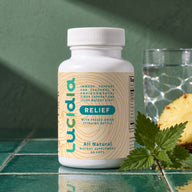
Lucidia was formulated in 2009 by practitioners who were seeing mast cell-driven symptoms in their patients long before MCAS entered mainstream clinical awareness. The formula combines quercetin (mast cell stabilizer), NAC (glutathione precursor for oxidative stress reduction), reishi (immunomodulator), bromelain (anti-inflammatory enzyme + quercetin absorption enhancer), and stinging nettles (histamine pathway modulation).
Five ingredients. One system. Same five ingredients since 2009. Shop Lucidia.
These statements have not been evaluated by the Food and Drug Administration. This product is not intended to diagnose, treat, cure, or prevent any disease.
References
- Galli, S. J., Nakae, S., & Tsai, M. (2005). Mast cells in the development of adaptive immune responses. Nature Immunology, 6(2), 135-142.
- Wernersson, S., & Pejler, G. (2014). Mast cell secretory granules: armed for battle. Nature Reviews Immunology, 14(7), 478-494.
- Theoharides, T. C., Stewart, J. M., Hatziagelaki, E., & Kolaitis, G. (2019). Brain "fog," inflammation and obesity: key aspects of neuropsychiatric disorders improved by luteolin. Frontiers in Neuroscience, 9, 225.
- Theoharides, T. C., & Cochrane, D. E. (2004). Critical role of mast cells in inflammatory diseases and the effect of acute stress. Journal of Neuroimmunology, 146(1-2), 1-12.
- Valent, P., Akin, C., Arock, M., et al. (2012). Definitions, criteria and global classification of mast cell disorders. International Archives of Allergy and Immunology, 157(3), 215-225.
- Afrin, L. B., Self, S., Menk, J., & Lazarchick, J. (2016). Characterization of mast cell activation syndrome. American Journal of the Medical Sciences, 353(3), 207-215.
- Weng, Z., Zhang, B., Asadi, S., et al. (2012). Quercetin is more effective than cromolyn in blocking human mast cell cytokine release. PLoS ONE, 7(3), e33805.
- Theoharides, T. C., Asadi, S., & Panagiotidou, S. (2014). A case series of a luteolin formulation (NeuroProtek) in children with autism spectrum disorders. International Journal of Immunopathology and Pharmacology, 25(2), 317-323.
- Johnston, C. S., Martin, L. J., & Cai, X. (1996). Antihistamine effect of supplemental ascorbic acid. Journal of the American College of Nutrition, 11(2), 172-176.
- Gueck, T., Seidel, A., & Fuhrmann, H. (2015). Consequences of n-3 fatty acid supplementation on mast cell mediator release. Prostaglandins, Leukotrienes and Essential Fatty Acids, 95, 43-50.

Artemis Therapeutics
Practitioner-founded in San Diego in 2009 by Nathalie Babazadeh, L.Ac. and Kacey Moe, MS.
Continue reading
All histamine articles →-
 Start here
Histamine and immune intelligence: the guide
Every histamine article, in reading order. Nathalie Babazadeh, L.Ac. and Kacey Moe, MS -
 Histamine and mast cells
Histamine and Gut Health: The Connection Most People Miss
Nathalie Babazadeh, L.Ac. · 9 min -
 Methylation and detox
What Is NAC? The Overlooked Compound Behind Cellular Defense
Kacey Moe, MS · 8 min
Not sure where to start? Take the 3-minute quiz
Get new articles by email
New articles from Nathalie and Kacey. Unsubscribe anytime.

Lucidia
Daily histamine support, formulated by Nathalie and Kacey in their practice in 2009. Same five ingredients since.
★ 4.3 out of 5 stars from · 238 reviewsQuercetin, NAC, reishi, bromelain, nettle
$29.99Free shipping · 60 capsules
Subscribe and save 10%