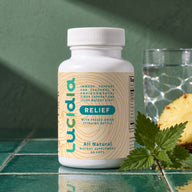

Lucidia Ingredients: The Longevity Science Behind Five Compounds

Quick answer
Quercetin (senolytic), NAC (glutathione precursor), reishi (immunomodulator), bromelain (breaks down mucus and inflammatory proteins), and stinging nettle (mineral-dense histamine modulator) — five compounds at the forefront of longevity research, formulated together in Lucidia since 2009. Here's what the research says about each one and why they work as a system. Learn more in our guide to quercetin compared to resveratrol. Learn more in our guide to NAC vs glutathione.

In This Article
The language of health is changing.
A decade ago, conversations about supplements centered on symptom management — what to take when something went wrong. Today, the most compelling research is asking a different question: what does the body need to maintain its own integrity and vitality over time?
Longevity science, regenerative medicine, and cellular biology are converging on a handful of compounds that keep appearing across clinical trials and anti-aging protocols. Not because they treat disease, but because they support the fundamental systems that decline with age. They support detoxification, immune regulation, cellular cleanup, and the body's ability to repair itself. We are truly moving into the age of "Preventative Medicine," which in conventional terms, was limited to concepts like 'wash hands often.'
The five compounds that make up the Lucidia formula were chosen exactly for these reasons--for immediate and long term benefits. Here's why each of them is gaining attention in the research.
Quercetin: Senolytics and the Clearing of Damaged Cells
Quercetin has moved to the center of longevity research — largely because of its role as a senolytic.
Senescent cells are cells that have stopped dividing but refuse to die--also known as Zombie cells. They accumulate with age and secrete a cocktail of inflammatory signals called the SASP (senescence-associated secretory phenotype) that damages surrounding healthy tissue. This process is now considered one of the primary drivers of biological aging. Clearing these cells — selectively, without harming healthy tissue — is the goal of senolytic therapy.
Quercetin plays a key role in this therapy. It binds to certain proteins like Bcl-xL and Bcl-2 that senescent cells use to evade programmed cell death. It induces damaged cells to apoptosis (self destruction) while leaving healthy cells intact. This directly increases vitality, and reduces zombie-like living that is sometimes accepted as a natural part of aging.
The clinical research is accelerating. A 2025 pilot study published in eBioMedicine (The Lancet) — the STAMINA trial — evaluated dasatinib plus quercetin in older adults at risk for Alzheimer's disease. The combination was safe, well-tolerated, and reduced inflammatory markers correlated with improved memory. A 2024 study in Aging tracked the effects of the same senolytic combination on DNA methylation clocks and epigenetic aging over six months. And a 2025 study in GeroScience examined how the dasatinib-quercetin combination impacts chromatin structure in vascular smooth muscle cells, with some evidence of chromatin "rejuvenation" in senescent cells.
Beyond senolytics, quercetin is a mast cell stabilizer — meaning it modulates histamine release rather than simply suppressing it. A meta-analysis in the Journal of the American Heart Association found quercetin supplementation reduced blood pressure in hypertensive individuals (Serban et al., 2016). A Nutrients review confirmed its ability to inhibit inflammatory cytokines including TNF-alpha and IL-6 (Li et al., 2016). Its antioxidant effects — scavenging free radicals, reducing oxidative stress — have been documented for decades (Boots et al., 2008).
Quercetin also appears to help with vascular hyperpermeability by acting as a protective agent that stabilizes endothelial cells and reduces leakage in blood vessels and benefiting cardiovascular health. Research indicates it strengthens the blood-brain barrier (BBB) and reduces vascular dysfunction by inhibiting oxidative stress, suppressing specific signaling pathways (like VEGFA), and preventing the degradation of tight junction proteins.
Lucidia uses Quercetin Dihydrate sourced from the flowers of Sophora japonica, a more bioavailable form that allows the compound to reach target cells more effectively.
Key takeaway
Quercetin is one of the few natural compounds in clinical senolytic trials. It has shown to serve as a mast cell stabilizer, blood-brain barrier protectant, and cardiovascular protectant with strong standalone evidence. The 2025 STAMINA trial (The Lancet) showed safety and reduced inflammatory markers in older adults.
Sources: STAMINA trial, eBioMedicine 2025 · Serban et al., JAHA 2016 · Li et al., Nutrients 2016What this might look like for you
- Less puffy face
- Less redness and reactivity due to histamine response
- Blood vessels in face less likely to burst
- Less achiness in lymph
- Less susceptible to airborne disease
- Less swelling, mucus, and itching after exposure to environmental allergenic triggers
- Blood pressure more stable over time
- Clearer thinking on high-inflammation days
NAC: The Glutathione Precursor at the Foundation of Cellular Defense
N-Acetyl Cysteine is the body's most direct route to glutathione — the master intracellular antioxidant that the liver, immune cells, and mitochondria all depend on for basic function.
Glutathione levels decline naturally with age. When they do, the effects cascade down the line: oxidative stress rises, mitochondrial function degrades, immune surveillance weakens, and the body's ability to clear metabolic waste slows down. NAC reverses this by providing the rate-limiting amino acid — cysteine — that cells need to synthesize glutathione.
The most striking recent research comes from Baylor College of Medicine, where Dr. Rajagopal Sekhar's team has been studying GlyNAC — a combination of glycine and NAC. In a randomized clinical trial, older adults who supplemented with GlyNAC for 16 weeks showed improvements across multiple hallmarks of aging simultaneously: glutathione deficiency, oxidative stress, mitochondrial dysfunction, inflammation, insulin resistance, endothelial dysfunction, genomic toxicity, stem cell exhaustion, and cellular senescence. Participants also showed measurable gains in muscle strength, walking speed, exercise capacity, and cognitive function.
9
Hallmarks of aging improved simultaneously in a single 16-week GlyNAC trial — from oxidative stress to stem cell exhaustion
Sekhar et al., Journals of Gerontology 2023That finding is significant because it suggests that restoring glutathione doesn't just address one pathway — it supports the cellular infrastructure that all other repair mechanisms depend on.
A 2025 randomized clinical trial published in Frontiers in Immunology found that NAC co-administered with vitamin D modulated immunosenescence in older adults — the age-related decline in immune function that contributes to increased vulnerability to infection and chronic disease.
NAC has been used in clinical medicine for decades as the standard treatment for acetaminophen toxicity, precisely because of how effectively it restores liver glutathione. That long safety record is not incidental. It reflects a compound that has been tested under the most demanding conditions and has held up.
Key takeaway
NAC is a direct route to glutathione — the master antioxidant that liver, immune, and mitochondrial function all depend on. The Baylor trial showed that glutathione restoration improved 9 hallmarks of aging at once.
Source: Sekhar et al., Journals of Gerontology 2023What this might look like for you
- Less mucus production
- Less reactivity to sulfites in alcohol
- Lungs clearer
- Liver recovers faster
- More sustained energy
- Faster recovery from colds
- Skin clearer over time
Reishi: Immunomodulation Across Millennia — Now Backed by Clinical Evidence
Reishi (Ganoderma lucidum) has been used in traditional Chinese medicine for over 2,000 years. In Mandarin, it is called Ling Zhi — the mushroom of immortality. What modern research is confirming is that reishi's effects on the immune system are not stimulatory in the typical sense. They are modulatory — meaning reishi helps the immune system calibrate its response rather than simply amplifying it.
A 2025 comprehensive review published in Natural Product Research detailed reishi's pharmacological profile: immunomodulatory, antioxidant, anti-inflammatory, hepatoprotective, and neuroprotective properties, all attributed to its bioactive polysaccharides and triterpenoids (ganoderic acids).
The clinical evidence on immune function is particularly notable. In a 2023 randomized, placebo-controlled trial with healthy adult volunteers, reishi beta-glucan supplementation at 200mg for 12 weeks enhanced T-lymphocyte activity, improved the CD4/CD8 ratio, increased natural killer cell counts, elevated serum immunoglobulin A levels, and increased NK cell cytotoxicity by 83.1% compared to placebo (Chen et al., 2023, Foods). Note: this study used a branded beta-glucan isolate; Lucidia uses a 4:1 hot water extract which contains beta-glucans alongside other bioactive compounds.
83.1%
Increase in NK cell cytotoxicity after 12 weeks of reishi beta-glucan supplementation vs. placebo
Chen et al., Foods 2023 (randomized controlled trial, healthy adults)A 2025 review in Antioxidants (MDPI) — "From Ancient Remedies to Modern Applications" — documented reishi's effects on the HPA axis and cortisol regulation, its triterpenoids' hepatoprotective and lipid-lowering properties, and emerging research on its role in regenerative medicine. One area of active investigation: an immunomodulatory protein from reishi (Ling Zhi-8) has shown acceleration of wound healing in animal tissue studies — pointing toward potential applications in tissue repair and regeneration.
Reishi also influences the body's stress response. The HPA axis governs how the body manages chronic stress and cortisol output. When chronic stress dysregulates this axis, the immune system compensates. Supporting the stress-immune connection is one of the reasons reishi appears in longevity protocols that address the whole system rather than isolated symptoms.
Lucidia uses an organic 4:1 hot water extract, which concentrates the water-soluble polysaccharides most responsible for immune modulation.
What this might look and feel like
- Sense of peace over time
- Clearer mind
- Soften egoic thoughts and self-criticism
- More open-minded
- Less susceptible during cold and flu season
- Less susceptible to internally developing illness
- Better sleep quality
- More emotional balance under stress
Bromelain: The Enzyme That Goes Straight to the Sinuses
Bromelain is a proteolytic enzyme complex derived from pineapple stems. It has its own well-documented anti-inflammatory effects — clinical studies have shown activity comparable to certain NSAIDs, working through modulation of prostaglandins and thromboxane. It supports lymphatic drainage, helping the body clear inflammatory debris and metabolic waste. It breaks down mucus and inflammatory proteins, and can specifically direct the formula to the sinuses.
In a formula built around quercetin, bromelain plays a critical absorption role.
Quercetin can be poorly absorbed. Absorption rates in supplement form have been measured as low as 3–17%, and of the amount that is absorbed, only about 2% reaches bioavailable concentrations in target cells. This is the fundamental challenge with quercetin supplementation — the compound has remarkable properties in research, but those properties are limited by how much actually reaches the cells that need it.
Bromelain addresses this directly. As a proteolytic enzyme, it breaks down barriers in the digestive tract that limit quercetin absorption, significantly enhancing bioavailability. This means the senolytic, mast-cell-stabilizing, and cardiovascular-protective effects of quercetin are amplified when the two are taken together.
What this might look like for you
- Mucus not as thick
- Less pain in sinuses
- Less swelling in the face
- Lymphatic congestion eases
- Better absorption of quercetin and other compounds
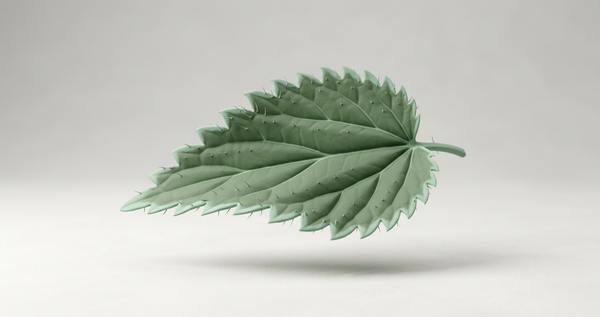
Stinging Nettle: Mineral Density, Histamine Modulation, and Hormonal Support
Urtica dioica is one of the most nutrient-dense botanicals in the herbal pharmacopoeia — and one of the most under-recognized in modern longevity discussions.
The nutritional profile is substantial: iron, calcium, magnesium, manganese, vitamin K, folate, vitamin C, and chlorophyll. In traditional herbalism, nettle has been used for blood building, pregnancy support, allergy support, and adrenal nourishment for centuries. A 2022 review in Molecules documented nettle's comprehensive nutritional composition, bioactive compounds, and food functional properties, confirming its status as a nutrient-dense botanical with antioxidant, anti-inflammatory, and blood-sugar-regulating effects.
What makes nettle relevant to this formula specifically is its relationship with histamine pathways. Nettle leaf contains quercetin and other phytochemicals that stabilize mast cells and support balanced histamine metabolism (Roschek et al., 2009). It works alongside the quercetin already present, reinforcing the same pathways from a different biochemical direction.
Nettle also supports liver detoxification and estrogen metabolism — both of which become increasingly important with age as the body's hormonal and detoxification systems slow down. The root compounds' effects on hormonal health, particularly in the context of prostate health and sex hormone binding globulin (SHBG), are an active area of research.
Freeze-dried nettle leaves retains significantly more vitamin C and polyphenols than heat-dried preparations (Gulcin et al., 2013) and shows a more immediate effect on histamine symptoms. Lucidia uses organic, US-grown, freeze-dried nettle leaf.
What this might look like for you
- Immediate antihistamine-like effects
- Less reactivity to environmental allergens over time
- More sustained energy from mineral density
- Iron levels supported
- Hormonal balance supported
- Liver and detox pathways gently cleansed
How These Five Work as a System
These five compounds work together for both short and long term effects. Each one addresses a different layer of the body's core defense and maintenance systems in a synergistic and elegant way:
| Compound | Role in Lucidia |
|---|---|
| NAC | Glutathione foundation for detox and cellular defense |
| Quercetin | Senolytic, mast cell stabilizer, BBB protectant |
| Bromelain | Amplifies quercetin absorption, breaks down inflammatory debris |
| Reishi | Immune modulation, stress-immune axis, T cell & NK cell support |
| Stinging Nettle | Mineral density, histamine modulation, liver & hormonal support |
NAC provides the glutathione foundation — the raw material for cellular detoxification and antioxidant defense that everything else depends on. Quercetin modulates immune function, stabilizes mast cells, and clears senescent cells that accumulate with age. Bromelain breaks down mucus proteins reducing thickness and viscosity. It breaks down inflammatory proteins that cause pain and swelling in the sinuses. Additionally, it amplifies quercetin's absorption — solving the bioavailability problem that can limit quercetin's effectiveness in many supplements. Reishi regulates immune balance and supports the stress-immune axis, and has shown to increase T cells, NK cells, and IgA. Stinging nettle delivers mineral density, filters lymphatic debris, reinforces histamine pathway modulation, and supports liver and hormonal function.
These "simple" compounds from nature can potently support the body in maintaining its original and optimal function and vitality even when exposed to regular life stressors.
From the formulator — Nathalie Babazadeh, L.Ac.
Protocol
Daily Lucidia protocol
- Standard support: 2 capsules daily with food. Take with a meal containing healthy fats for optimal quercetin absorption.
- Intensive support: 2 capsules twice daily (morning and evening with meals) during periods of higher demand.
- Best paired with: Vitamin C (enhances quercetin recycling), vitamin D + K2 (immune synergy), and magnesium glycinate (supports over 300 enzymatic processes including glutathione synthesis).
These are general guidelines based on ingredient research. Consult your healthcare practitioner before starting any new supplement protocol.
These statements have not been evaluated by the Food and Drug Administration. This product is not intended to diagnose, treat, cure, or prevent any disease. The research cited reflects published studies on individual ingredients and does not constitute claims about any specific product.
References
- Boots, A. W., Haenen, G. R., & Bast, A. (2008). Health effects of quercetin. European Journal of Pharmacology, 585(2-3), 325-337.
- Li, Y., Yao, J., Han, C., et al. (2016). Quercetin, Inflammation and Immunity. Nutrients, 8(3), 167.
- Serban, M. C., Sahebkar, A., Zanchetti, A., et al. (2016). Effects of Quercetin on Blood Pressure. Journal of the American Heart Association, 5(7), e002713.
- Mlcek, J., et al. (2016). Quercetin and its role in immune modulation. Molecules, 21(5), 623.
- STAMINA Trial (2025). A pilot study of senolytics to improve cognition and mobility in older adults at risk for Alzheimer's disease. eBioMedicine (The Lancet).
- Exploring the effects of Dasatinib, Quercetin, and Fisetin on DNA methylation clocks (2024). Aging.
- The senolytic cocktail impacts chromatin structure of vascular smooth muscle cells (2025). GeroScience.
- Targeting Senescence, Oxidative Stress, and Inflammation: Quercetin-Based Strategies for Ocular Diseases (2025). PMC.
- Chen, S. N., et al. (2023). Evaluation of Immune Modulation by β-1,3; 1,6 D-Glucan Derived from Ganoderma lucidum in Healthy Adult Volunteers, A Randomized Controlled Trial. Foods, 12(3), 659.
- Wachtel-Galor, S., et al. (2011). Ganoderma lucidum (Lingzhi). Herbal Medicine: Biomolecular and Clinical Aspects, 2nd edition.
- Reishi Mushroom (Ganoderma lucidum): pharmacology of a potent healer in traditional Chinese medicine (2025). Natural Product Research.
- Ganoderma lucidum — From Ancient Remedies to Modern Applications: Chemistry, Benefits, and Safety (2025). Antioxidants (MDPI), 14(5), 513.
- Khara Lucius (2025). Clinical Evidence for the Use of Ganoderma lucidum Medicinal Mushroom. Integrative Cancer Therapies.
- Sekhar, R. V., et al. (2023). Supplementing GlyNAC in Older Adults Improves Glutathione Deficiency, Oxidative Stress, Mitochondrial Dysfunction, and Aging Hallmarks: A Randomized Clinical Trial. The Journals of Gerontology.
- Co-administration of vitamin D and N-acetylcysteine to modulate immunosenescence (2025). Frontiers in Immunology.
- Soflaei, S. S., et al. (2018). Glutathione and immune cell function. Cell Journal, 20(1), 47-54.
- De Flora, S., et al. (1997). N-acetylcysteine and influenza. European Respiratory Journal, 10(7), 1535-1541.
- Rushworth, G. F., & Megson, I. L. (2014). NAC as a pharmacological agent. Clinical Pharmacokinetics, 53(3), 207-225.
- Roschek, B. Jr., et al. (2009). Nettle extract and histamine receptors. Phytotherapy Research, 23(7), 920-926.
- Gulcin, I., et al. (2013). Antioxidant activity of nettle. Food Chemistry, 138(2-3), 1090-1095.
- Stinging Nettle (Urtica dioica L.): Nutritional Composition, Bioactive Compounds, and Food Functional Properties (2022). Molecules.
- Stinging Nettle (Urtica dioica) Roots: The Power Underground (2025). Plants (MDPI), 14(2), 279.
Nathalie Babazadeh, L.Ac
Co-Founder & Formulator
18+ years in acupuncture, TCM, and herbalism. Co-formulated Lucidia in 2009 from clinical practice. Co-founder of the REN School of Consciousness.
Continue reading
More in The five ingredients →-
 The five ingredients
Stinging Nettle for Allergies and Beyond: What the Research Says
Nathalie Babazadeh, L.Ac. · 7 min -
 The five ingredients
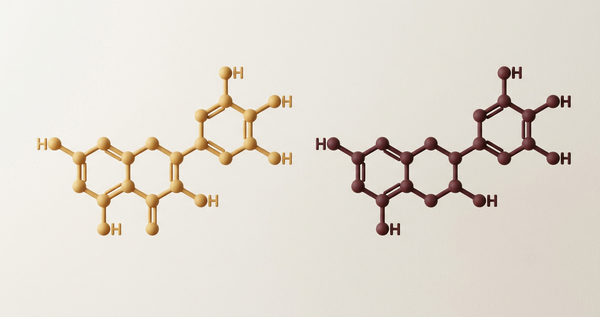
Quercetin vs. Resveratrol: Which Flavonoid Should You Take?
Artemis Therapeutics · 8 min -
 The five ingredients
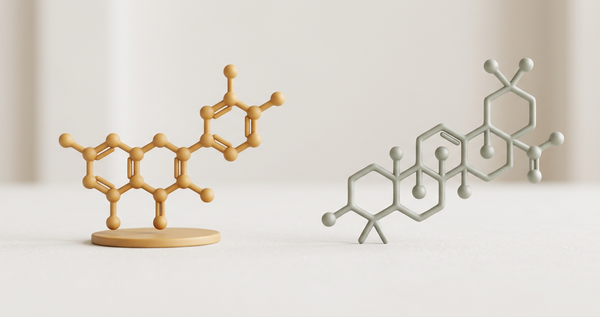
Quercetin vs. Cromolyn for Mast Cell Support: What the Research Shows
Kacey Moe, MS · 5 min
Not sure where to start? Take the 3-minute quiz
Get new articles by email
New articles from Nathalie and Kacey. Unsubscribe anytime.

Lucidia
Daily histamine support, formulated by Nathalie and Kacey in their practice in 2009. Same five ingredients since.
★ 4.3 out of 5 stars from · 238 reviewsQuercetin, NAC, reishi, bromelain, nettle
$29.99Free shipping · 60 capsules
Subscribe and save 10%