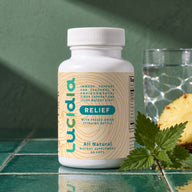

What Is Methylation? A Beginner's Guide to Your Body's Master Switch
Quick answer
Methylation is a chemical reaction that happens billions of times per second in every cell. A methyl group (CH3) is transferred from one molecule to another, switching genes on and off, building neurotransmitters, clearing toxins, processing histamine, and repairing DNA. When this process is impaired — by MTHFR genetic variants, B vitamin deficiencies, or high toxic load — the effects show up across nearly every body system.

In This Article
Methylation is a word that shows up in practitioner offices, functional medicine podcasts, and genetic testing reports. Most people encounter it when they get results back from 23andMe showing MTHFR variants, or when a doctor tests their homocysteine and it comes back high.
The explanations they find online are either too simple ("methylation is adding a methyl group to stuff") or too complex (diagrams of the folate cycle with 30 enzymes and abbreviations). This guide is the version in between: enough to understand what methylation does, why it matters, and what to do about it.
The Basics
Methylation is a chemical reaction. A methyl group (one carbon atom, three hydrogen atoms: CH3) gets transferred from one molecule to another. An enzyme catalyzes the transfer. The receiving molecule changes its behavior as a result.
That is it. One chemical group moves. A molecule's function changes.
The reason this matters is scale. Methylation reactions happen billions of times per second across every tissue in your body. They control:
Gene expression. Methyl groups attach to DNA and turn genes off. Remove the methyl groups and the gene turns on. This is the core mechanism of epigenetics — how your environment, diet, and lifestyle alter gene behavior without changing the genetic code itself. Your DNA is the hardware. Methylation is part of the software.
Neurotransmitter production. Serotonin, dopamine, norepinephrine, and melatonin all require methylation steps in their synthesis or metabolism. Undermethylation is associated with anxiety, depression, insomnia, and OCD-type presentations (Walsh, 2014).
Detoxification. Phase II liver detoxification uses methylation (along with glutathione conjugation, sulfation, and glucuronidation) to make toxins water-soluble for excretion. Heavy metals, hormones, medications, and environmental chemicals all require methylation for proper clearance. Learn more in our guide to NAC vs glutathione.
Histamine clearance. The HNMT enzyme that clears histamine inside cells works by methylating histamine, converting it to N-methylhistamine for excretion. This directly connects methylation to histamine intolerance: impaired methylation means impaired histamine clearance. I wrote about this connection in the DAO enzyme post.
DNA repair. Methylation is involved in maintaining DNA integrity and repairing damage. This connects to cancer risk: both hypo-methylation (too little) and hyper-methylation (too much, in the wrong places) are associated with cancer development (Jones & Baylin, 2002).
Immune regulation. T-cell differentiation, antibody production, and inflammatory signaling all involve methylation of regulatory genes. Disrupted methylation contributes to autoimmune tendencies and immune overreactivity.
Cardiovascular health. The methylation cycle converts homocysteine back to methionine. When methylation is impaired, homocysteine accumulates. Elevated homocysteine is an independent cardiovascular risk factor (Wald et al., 2002).
The Methylation Cycle
The methylation cycle is the biochemical pathway that produces and recycles methyl groups. Here are the key steps, simplified.
Step 1: Folate activation. Dietary folate (from leafy greens) or supplemental folate is converted into 5-MTHF (5-methyltetrahydrofolate) by the MTHFR enzyme. This is the step where MTHFR variants cause problems. 5-MTHF is the active form of folate that enters the methylation cycle.
Step 2: Methionine synthesis. 5-MTHF donates its methyl group to homocysteine, converting it back to methionine. This reaction is catalyzed by the enzyme MTR (methionine synthase), which requires vitamin B12 (as methylcobalamin) as a cofactor. This is why B12 and folate work together — they are both needed for this single reaction.
Step 3: SAMe production. Methionine is converted into SAMe (S-adenosylmethionine) by the enzyme MAT. SAMe is the body's universal methyl donor. Nearly every methylation reaction in the body uses SAMe as the source of the methyl group. This includes HNMT (histamine clearance), COMT (catecholamine metabolism), DNA methyltransferases (gene regulation), and hundreds of other enzymes.
Step 4: Methylation. SAMe donates its methyl group to a target molecule (DNA, a neurotransmitter, histamine, a toxin, etc.) and becomes SAH (S-adenosylhomocysteine).
Step 5: Homocysteine recycling. SAH is converted back to homocysteine, and the cycle repeats from step 2. Alternatively, homocysteine can be converted to cysteine through the transsulfuration pathway (which produces glutathione — this is where methylation and glutathione production intersect).
The cycle is elegant. Methyl groups come in from folate, get loaded onto SAMe, get donated to whatever needs methylating, and the carrier molecule is recycled. Problems at any step affect every downstream process that depends on methylation.
The methylation cycle (simplified)
Dietary folate
Leafy greens, or supplemental methylfolate (5-MTHF)
MTHFR enzyme
Converts folate to active 5-MTHF. Genetic variants reduce activity 30-70%.
Homocysteine → Methionine
5-MTHF donates methyl group. Requires B12. Recycles homocysteine.
SAMe (universal methyl donor)
Powers 200+ reactions: gene regulation, neurotransmitters, detox, histamine clearance
Methylation + recycling
SAMe donates methyl group → becomes SAH → becomes homocysteine → cycle repeats
MTHFR: The Gene Everyone Is Talking About
MTHFR (methylenetetrahydrofolate reductase) is the enzyme at Step 1 — it activates folate into its usable form (5-MTHF). Two common genetic variants reduce this enzyme's activity:
| Variant | One Copy (Heterozygous) | Two Copies (Homozygous) | Prevalence |
|---|---|---|---|
| C677T | ~35% reduced MTHFR activity | ~70% reduced MTHFR activity | Up to 10-15% homozygous in some populations (Frosst et al., 1995) |
| A1298C | Modest effect | Meaningful reduction in MTHFR activity | Less studied than C677T |
| Compound (one C677T + one A1298C) | Clinically meaningful reduction | — | Variable |
~40%
of the population carries at least one MTHFR variant that reduces enzyme activity
What this means practically: If you carry MTHFR variants, your body is slower at converting folate to its active form. This can lead to:
- Less 5-MTHF available for the methylation cycle
- Slower homocysteine recycling (higher homocysteine levels)
- Reduced SAMe production (less methylation capacity overall)
- Downstream effects on neurotransmitter production, detoxification, histamine clearance, and gene regulation
What this does NOT mean: MTHFR variants are not a diagnosis. They are a predisposition. Many people with homozygous C677T function perfectly well because they eat folate-rich diets, have adequate B12, and have no additional stressors on the methylation system. Others with a single copy have significant symptoms because they combine the genetic variant with nutrient deficiencies, high toxic load, or chronic stress.
The gene loads the gun. The environment pulls the trigger. This is the definition of epigenetics.
The Folic Acid Problem
This is the most practical takeaway for many readers.
Folic acid is the synthetic form of folate added to fortified foods (bread, cereal, flour) and most cheap multivitamins. It is NOT the same as methylfolate. Folic acid must be converted by MTHFR into the active form (5-MTHF) before your body can use it.
If you have MTHFR variants, this conversion is impaired. Unmetabolized folic acid can accumulate in the bloodstream, and some research suggests it may compete with natural folate for receptor binding, potentially making the problem worse (Smith et al., 2008).
The practical fix: If you know or suspect MTHFR variants, choose methylfolate (5-MTHF) instead of folic acid. Check your multivitamin label. Check your B-complex label. "Folate" on the label can mean either folic acid or methylfolate — look for "5-MTHF," "methylfolate," "L-methylfolate," or "Quatrefolic" (a branded form).
This single substitution — methylfolate instead of folic acid — is the most common starting recommendation in methylation-focused clinical practice.
Key takeaway
If you have MTHFR variants (or suspect them), switch from folic acid to methylfolate (5-MTHF). Check your multivitamin and B-complex labels. Look for "5-MTHF," "methylfolate," "L-methylfolate," or "Quatrefolic." This one change is the most common starting point in methylation-focused practice.
Testing Methylation
Homocysteine (blood test)
The simplest screening marker. Homocysteine accumulates when methylation is impaired (the cycle is not recycling it back to methionine efficiently).
- Optimal range: 6-8 micromol/L (functional medicine range)
- Conventional "normal": up to 15 micromol/L (but cardiovascular risk increases above 10)
- High homocysteine suggests: inadequate methylation capacity, B12 deficiency, folate deficiency, B6 deficiency, or MTHFR variants
Homocysteine is a routine blood test available through any lab. It is inexpensive and covered by most insurance when ordered with cardiovascular panels.
Genetic testing
23andMe, Strategene (Ben Lynch's platform), and clinical genomics panels can identify MTHFR variants (C677T, A1298C) and other methylation-related SNPs (COMT, MTR, MTRR, BHMT, CBS).
The raw genetic data gives you the variants. Interpretation is the hard part. A single MTHFR variant in the absence of symptoms or lab abnormalities may not require intervention. Multiple variants across several methylation genes, combined with symptoms and lab findings, paints a different picture.
Testing for context rather than action is the right approach. Knowing your variants helps explain why certain symptoms are present and guides supplement selection, but the genetic data alone should not drive treatment decisions without clinical correlation. Learn more in our guide to best methylation supplements.
Organic acids testing
Urine organic acid tests (like the DUTCH test or Great Plains OAT) measure metabolites that reflect methylation status, including methylmalonic acid (B12 marker), formiminoglutamic acid (folate marker), and others. These provide functional data about how well the methylation cycle is actually running, not just what the genetic potential is.
Supporting Methylation
Core nutrients
| Nutrient | Active Form | Typical Dose | Role in Methylation |
|---|---|---|---|
| Methylfolate | 5-MTHF, L-methylfolate, Quatrefolic | 400-800 mcg daily (up to 15 mg under practitioner guidance) | Donates methyl group to homocysteine; bypasses MTHFR. Start low — some people get anxiety or insomnia at higher doses. |
| Methylcobalamin | Active B12 (not cyanocobalamin) | 1,000-5,000 mcg daily | Cofactor for MTR enzyme. Sublingual/liquid bypasses stomach absorption issues. Co-dependent with folate. |
| Vitamin B6 | P5P (pyridoxal-5-phosphate) | 25-50 mg daily | Transsulfuration pathway (homocysteine → cysteine → glutathione). Also supports DAO enzyme function. |
| Riboflavin (B2) | Riboflavin-5-phosphate | 25-50 mg daily | Cofactor for MTHFR enzyme itself. Can partially compensate for reduced MTHFR activity from genetic variants (McNulty et al., 2006). |
| TMG (Betaine) | Trimethylglycine | 500-1,500 mg daily | Alternative pathway for homocysteine → methionine via BHMT enzyme. Does not depend on MTHFR or folate. |
Methylation support — dosage reference
Methylfolate (5-MTHF)
400 - 800 mcg/day
Start low. Some people get anxiety or insomnia at higher doses. Up to 15 mg under practitioner guidance.
Methylcobalamin (active B12)
1,000 - 5,000 mcg/day
Sublingual or liquid for better absorption. Co-dependent with folate — take both.
Vitamin B6 (as P5P)
25 - 50 mg/day
Supports transsulfuration pathway (homocysteine → cysteine → glutathione) and DAO enzyme.
Riboflavin (B2)
25 - 50 mg/day
Cofactor for MTHFR enzyme itself. Can partially compensate for reduced MTHFR activity.
TMG (Betaine)
500 - 1,500 mg/day
Alternative homocysteine recycling via BHMT. Does not depend on MTHFR or folate.
The overmethylation caveat
Some people feel worse when they start methylation support, particularly methylfolate. Symptoms can include anxiety, irritability, insomnia, racing thoughts, or headaches. This is usually a sign the dose is too high or the introduction was too fast.
The solution is usually one or more of:
- Reduce the methylfolate dose
- Add niacin (vitamin B3, 50-100 mg), which consumes methyl groups and slows the cycle
- Introduce methylation support more gradually (start at 100-200 mcg methylfolate and increase over weeks)
- Assess for COMT variants (slow COMT + methylation support can increase catecholamine levels, causing anxiety)
This is one area where self-dosing based on genetic test results alone can go wrong. Working with a practitioner who understands methylation pharmacogenomics is valuable.
Methylation and Histamine: The Connection
This is where methylation intersects directly with the histamine metabolism system we discuss extensively on this site.
HNMT (histamine N-methyltransferase) clears histamine inside cells by transferring a methyl group from SAMe to histamine. This converts histamine to N-methylhistamine, which is inactive and excreted.
If the methylation cycle is impaired:
- SAMe production is lower
- HNMT has less methyl donor available
- Intracellular histamine clearance slows
- Histamine accumulates in tissues
This is why people with MTHFR variants often present with histamine symptoms. It is also why methylation support (B vitamins, TMG) can improve histamine tolerance in some individuals, even without directly targeting histamine pathways.
Key takeaway
Impaired methylation means less SAMe, which means slower HNMT activity, which means histamine accumulates inside cells. This is why MTHFR variants and histamine intolerance often travel together — and why methylation support can improve histamine tolerance even without targeting histamine directly.
The other side of the equation: DAO handles dietary histamine in the gut (extracellular). HNMT handles histamine inside cells (intracellular). When both pathways are compromised, histamine accumulates from both external and internal sources.
Lucidia's formula addresses the histamine system through mast cell stabilization (quercetin), direct pathway support (stinging nettles), and glutathione-dependent clearance (NAC). Methylation support (active B vitamins, TMG) complements Lucidia by supporting the HNMT arm of histamine clearance — a different intervention point that we do not include in the formula but recommend as part of a complete protocol.
The Bigger Picture
Methylation is not one thing. It is a process that touches gene expression, detoxification, neurotransmitter balance, cardiovascular health, and histamine metabolism. When it works well, you do not notice it. When it is impaired, the effects show up across multiple systems, which is why methylation problems are often misdiagnosed as depression, anxiety, chronic fatigue, or "getting older."
The good news: methylation is responsive to intervention. Targeted nutrient support (the right forms of B vitamins, TMG) can measurably improve methylation status in weeks to months. In clinical practice, it is one of the more correctable biochemical imbalances in functional medicine.
The tagline of this company is "Your Body's Original Code." Methylation is, quite literally, the code on top of the code — the epigenetic layer that determines which genes are active and how your biochemistry runs. Understanding it is the first step toward working with it.
These statements have not been evaluated by the Food and Drug Administration. This product is not intended to diagnose, treat, cure, or prevent any disease.
References
- Walsh, W. J. (2014). Nutrient Power: Heal Your Biochemistry and Heal Your Brain. Skyhorse Publishing.
- Jones, P. A., & Baylin, S. B. (2002). The fundamental role of epigenetic events in cancer. Nature Reviews Genetics, 3(6), 415-428.
- Wald, D. S., Law, M., & Morris, J. K. (2002). Homocysteine and cardiovascular disease: evidence on causality from a meta-analysis. BMJ, 325(7374), 1202.
- Frosst, P., et al. (1995). A candidate genetic risk factor for vascular disease: a common mutation in methylenetetrahydrofolate reductase. Nature Genetics, 10(1), 111-113.
- Smith, A. D., et al. (2008). Is folic acid good for everyone? The American Journal of Clinical Nutrition, 87(3), 517-533.
- McNulty, H., et al. (2006). Riboflavin lowers homocysteine in individuals homozygous for the MTHFR 677C→T polymorphism. Circulation, 113(1), 74-80.
- Crider, K. S., et al. (2012). Folate and DNA methylation: a review of molecular mechanisms and the evidence for folate's role. Advances in Nutrition, 3(1), 21-38.

Artemis Therapeutics
Practitioner-founded in San Diego in 2009 by Nathalie Babazadeh, L.Ac. and Kacey Moe, MS.
Continue reading
More in Methylation and detox →-
 Methylation and detox
NAC vs. Glutathione Supplements: Which Is Better?
Kacey Moe, MS · 10 min -
 Methylation and detox
What Is NAC? The Overlooked Compound Behind Cellular Defense
Kacey Moe, MS · 8 min -
 Methylation and detox
10 Everyday Things That Drain Your Cellular Energy (and How to Get It Back)
Nathalie Babazadeh, L.Ac. · 5 min
Not sure where to start? Take the 3-minute quiz
Get new articles by email
New articles from Nathalie and Kacey. Unsubscribe anytime.

Lucidia
Daily histamine support, formulated by Nathalie and Kacey in their practice in 2009. Same five ingredients since.
★ 4.3 out of 5 stars from · 238 reviewsQuercetin, NAC, reishi, bromelain, nettle
$29.99Free shipping · 60 capsules
Subscribe and save 10%