Gui Zhi: Cinnamon Twig in Chinese Medicine
In Chinese herbal medicine, we distinguish between two parts of the cinnamon tree. Rou Gui (cinnamon bark) warms the interior and strengthens kidney yang, the body's adrenal and metabolic fire. Gui Zhi (cinnamon twig) works the more in the vascular level: it warms the channels and moves blood through areas of stagnation.
Gui Zhi is the cinnamon that applies to bodywork and topical use. Its action is invigorating and moving. It drives circulation to the extremities, penetrates cold, stiff tissue, and helps other herbs reach deeper into the body.
In clinical practice, warming herbs are used in patterns of cold stagnation: tight muscles that won't release, joints that ache in cold weather, circulation that pools instead of flowing. Cold stagnation is one of the most common patterns in chronic pain. It shows up as chronic neck and shoulder tension, lower back stiffness, cold hands and feet, and that heavy, sedentary feeling from low metabolic fire.
How Warming Herbs Work on Tissue
When cinnamon oil contacts the skin, its active compound cinnamaldehyde activates TRPA1 receptors — the same sensory channels that respond to temperature changes. This triggers local vasodilation (blood vessel opening) without the inflammation that comes from actual heat exposure.
The result is increased blood flow to the area. More blood means faster delivery of oxygen and nutrients, and faster clearance of stagnant metabolic waste like lactic acid.
This is why warming topical oils feel different from menthol-based products. Menthol activates cold receptors (TRPM8) and creates a cooling sensation that masks pain. Cinnamon activates warming receptors and actually moves blood into the tissue. One distracts. The other addresses the underlying stagnation.
Key takeaway
Dragon's blood resin (Xue Jie) adds to this effect. Used in Chinese medicine for centuries to "break blood stasis," it promotes microcirculation and accelerates tissue repair at the application site. Ginger adds another layer of channel-warming action. The mints help drive the herbal compounds into the muscled layer.
Traditional Uses, Modern Applications
Neck and shoulder tension. The gallbladder and bladder meridians run through the upper trapezius and along the sides of the neck. When qi and blood stagnate here — from stress, posture, or emotional patterns — the muscles tighten and are difficult to release. Warming oil applied with firm massage moves blood through these channels and interrupts the tension-stagnation cycle.
Recovery after physical exertion. Muscles that have been worked hard accumulate metabolic byproducts. Warming herbs drive blood flow to flush these out and deliver the nutrients needed for repair. This is why athletes and martial artists across Asia have used cinnamon-based liniments pre and post training for centuries.
"My husband does Martial arts... This oil works wonders on his joints and muscles after training." — Magesh
Cold extremities and sluggish circulation. The kidneys govern warmth distribution in Chinese medicine. When kidney yang is depleted from overwork, inadequate rest, cold climates, or aging, warmth withdraws from the periphery. Massaging warming oil into the soles of the feet, ankles, and lower back helps restore that warmth.
"My feet were so tired I could not sleep. I rubbed the oil into my soles and went into deep slumber."
Mental clarity and focus. In Chinese medicine, clear thinking depends on clear yang rising to the head. When cold or dampness obstruct this upward movement, you get brain fog, heaviness, and that sluggish afternoon feeling. Cinnamon's ascending, warming nature helps clear this obstruction. Applied to the temples and upper shoulders, it can shift your mental state in minutes.
"Out of all the uses, my favorite is for clearing the sinuses and increasing alertness." — Stacy
The Formulation Philosophy in Traditional Terms
The formula is based on Po Sum On — a traditional Chinese topical formula whose name means "Protect the Heart's Peace." This is a modified recipe with plant infusions and essential oils, handcrafted with intention and joy.
Formulating and making a medicinal topical oil feels a bit like conducting a symphony of nature. Each layer of the formula brings it's own magnificent part, all harmonizing in a vibration of beauty and coherence.
In the case of Cinnamon Protector Oil, the base oil comes from cold processed Camelia Tree seeds. It is lightweight, nourishing to the skin, and "holds" the medicinal potency of the raw herbal extracts. These botanicals direct themselves to the organs and lymph system to break up stagnant fluids. The resin Dragon's Blood addresses the blood level for circulation and vascular flexibility. The essential oils take the medicines into the muscles layers and open another layer of pathways to clear out heavy stagnant energy in the environment or in the muscle tissues.
Cinnamon Protector Oil follows a layered approach:
-
Aromatics: Peppermint and wintergreen drive herbs into the muscle layer
-
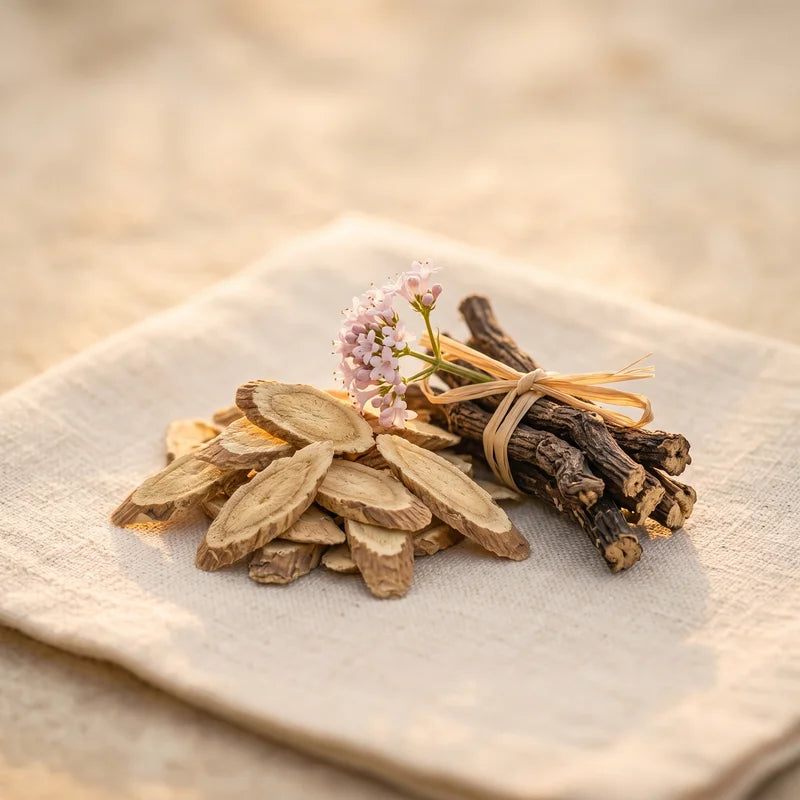
Medicinal Compounds: Cinnamon, licorice, skullcap and ginger for warming, microcirculation, and detox
-
Base: Camellia oil for skin nourishment and holding the extracts
Cinnamon Protector Oil is used by acupuncturists, massage therapists, and physical therapists across the country to deepen treatment and give patients results they can feel.
How to Use It
A little goes a long way. Apply a small amount to the affected area and massage with firm pressure. The warming effect builds and continues working long after application.
"This stuff is POWERFUL! It's like tiger balm on steroids and smells sooo good." — Leann
Protocol
Cinnamon Protector Oil application guide
- Apply a small amount to the affected area
- Massage with firm, slow pressure for 60 seconds per area
- Optionally, place a hot pack on the area after oil application
- For upper body, face and head tension: focus on shoulders, neck, and head
- For heavy legs and feet: focus on soles of feet, calves, and lower back
- For menstrual cramps — massage into low belly and cover with a heat pack
- For muscle soreness, use generously pre or post workout
- For mental or sinus clarity: press firmly into top of head, neck, and upper shoulders
The warming effect builds after application.
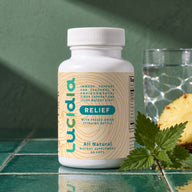
The oil also works well alongside Lucidia. Lucidia works from the inside out on clearing lymph, cellular defense, and immune modulation. Cinnamon Protector Oil works from the outside in, moving blood and releasing tension from the surface inward.
Shop Cinnamon Protector Oil — Handcrafted in California with Cinnamon, Dragon's Blood, Peppermint, Ginger, Eucalyptus, and Camellia Oil. $24.
Not for use under 12 years old. Do not apply to open wounds. Do not apply near eyes.
These statements have not been evaluated by the Food and Drug Administration. This product is not intended to diagnose, treat, cure, or prevent any disease.